

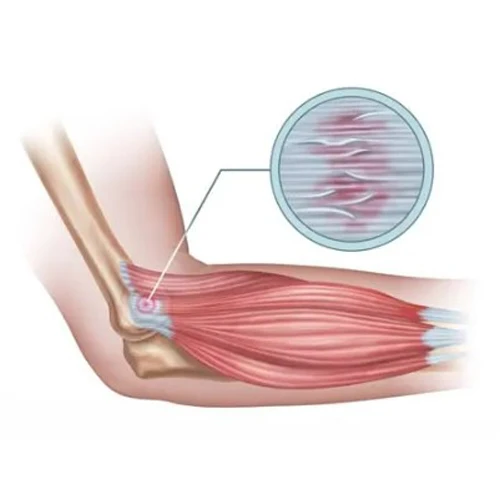
Sore muscles, also known as muscle soreness or myalgia, refer to discomfort or pain in the muscles, often occurring after physical activity or exercise. This condition is typically a result of muscle strain, overuse, or delayed onset muscle soreness (DOMS), which appears 12 to 48 hours after intense physical activity. DOMS is particularly common after unfamiliar or strenuous exercise, such as weightlifting, running, or other high-intensity activities.
Muscle soreness occurs when muscle fibers experience microscopic damage or tears during activity. This damage leads to inflammation, swelling, and the release of substances that trigger pain receptors, causing a sensation of tightness, tenderness, or stiffness. The severity of the soreness can vary from mild discomfort to more intense pain, making it difficult to move the affected muscles.
While sore muscles are often temporary and part of the body’s natural response to exertion, they can be alleviated through various methods. Rest, gentle stretching, and applying heat or ice can reduce pain and inflammation. Over-the-counter pain relievers like ibuprofen may also be helpful. Staying hydrated and consuming adequate nutrients, including protein, can support muscle recovery. However, if muscle soreness persists or is accompanied by severe swelling or weakness, it may indicate injury or a more serious condition that requires medical attention.

No review given yet!




You need to login to view this feature

This address will be removed from this list